What to Do After Someone Passes Away in Tarpon Springs & Trinity, Florida

What to Do After Someone Passes Away in Tarpon Springs or Trinity, Florida

Losing someone you love is heartbreaking. In those first moments, it is completely normal to feel overwhelmed, numb, or unsure of what to do next.

You do not have to handle everything at once.

This guide is meant to gently walk families in Tarpon Springs, Trinity, and nearby areas of Pasco and Pinellas County through the first steps after a loved one passes away.

First, Take a Moment

Before you start making calls or decisions, take a breath.

There is no need to rush through everything immediately. The next steps often depend on where and how your loved one passed.

If your loved one was under hospice care, contact the hospice nurse first. They will guide you through the next steps and help with the official pronouncement of death.

If the passing was unexpected, you may need to call emergency services or local authorities so the death can be properly documented.

Step 1: Contact a Cremation Provider

One of the first calls families often make is to a trusted cremation provider.

At Going Home Cremation, we help families in Tarpon Springs, Trinity, Palm Harbor, New Port Richey, Clearwater, and surrounding communities with simple, compassionate cremation arrangements.

We can help with:

  • Bringing your loved one into our care
  • Explaining cremation options clearly
  • Helping complete required authorization forms
  • Coordinating the cremation process
  • Answering questions about death certificates, permits, and next steps

Families can learn more about our Tarpon Springs cremation services here:

You can also visit our main website here:

Homepage

You do not have to know exactly what you want before calling. A caring provider can walk you through the process one step at a time.

Step 2: Notify Close Family and Friends

Once your loved one is safely in care, you may want to notify immediate family members and close friends.

You do not have to call everyone at once.

It may help to ask one trusted person to help share the news with others. This can reduce the emotional burden on you during an already difficult time.

A simple message is enough:

“I wanted to let you know that [Name] passed away. We are still processing everything and will share more details when we can.”

There is no perfect way to tell people. Do what feels manageable.

Step 3: Gather Important Documents

In the days following a death, it is helpful to begin gathering key documents.

These may include:

  • Driver’s license or government-issued ID
  • Social Security number
  • Birth certificate
  • Marriage certificate, if applicable
  • Military discharge papers, if applicable
  • Insurance policies
  • Legal paperwork, such as a will or trust
  • Prearrangement paperwork, if any exists

Do not worry if you cannot find everything right away. Your cremation provider can let you know what is needed immediately and what can wait.

Step 4: Order Death Certificates

Certified death certificates are often needed for banks, insurance companies, government agencies, pensions, property matters, and other legal or financial affairs.

In Florida, death certificates are handled through the Florida Department of Health. According to the Florida Department of Health, any person of legal age may apply for a certified copy of a Florida death record without the cause of death. Death records with cause of death have additional restrictions.  

You can find official Florida death certificate information here:

https://www.floridahealth.gov/certificates-records/death-certificates/

The Florida Department of Health also lists VitalChek as its recommended online vendor for ordering Florida vital records.  

VitalChek can be accessed here:

https://www.vitalchek.com/

Your cremation provider can also help explain how many death certificates families commonly request based on their situation.

Step 5: Notify Social Security

If your loved one received Social Security or Medicare benefits, the death should be reported to the Social Security Administration.

The Social Security Administration explains that reporting a death helps stop benefit payments and allows eligible family members to learn whether they may qualify for survivor benefits.  

You can find the official Social Security guidance here:

https://www.ssa.gov/personal-record/when-someone-dies

You can also find information about survivor benefits here:

https://www.ssa.gov/survivor

In many cases, funeral homes or cremation providers report the death to Social Security, but families should still confirm that it has been handled.

Step 6: Take Care of the Home, Pets, and Mail

When you are ready, there may be practical matters to address at your loved one’s home.

These may include:

  • Making sure the home is secure
  • Caring for pets
  • Removing perishable food
  • Forwarding mail
  • Contacting utility providers
  • Checking for medications that need safe disposal
  • Locating important paperwork

These tasks can feel overwhelming, so try not to do them alone. Ask a family member, friend, neighbor, or trusted advisor to help.

Step 7: Notify Banks, Insurance Companies, and Other Organizations

Over the next few days or weeks, families often need to notify important organizations.

These may include:

  • Banks and credit unions
  • Life insurance companies
  • Health insurance providers
  • Pension providers
  • Mortgage or landlord contacts
  • Credit card companies
  • Auto insurance providers
  • Veterans Affairs, if applicable
  • Employers or former employers

Some organizations will ask for a certified death certificate before making changes to accounts.

Take your time and keep a simple list of who you have contacted.

Step 8: Decide What You Would Like to Do With the Ashes

After cremation, families have several options for their loved one’s ashes.

Some families choose to:

  • Keep the urn at home
  • Scatter ashes in a meaningful place
  • Divide ashes among family members
  • Place ashes in a cemetery or columbarium
  • Use a keepsake urn or memorial jewelry

There is no single right choice. What matters most is choosing something that feels meaningful and respectful to your family.

Going Home Cremation can also assist families who would like help with scattering ashes.

You can learn more about cremation services in Tarpon Springs and nearby communities here:

Cremation in Tarpon Springs | Serving Pinellas, Pasco & Hillsborough

A Gentle Reminder for Families

You are not expected to handle everything perfectly.

Grief can make even simple tasks feel difficult. Take one step at a time. Ask for help when you need it. Let others support you.

Some things need to be handled right away, but many things can wait.

Local Cremation Support in Tarpon Springs and Trinity

Going Home Cremation provides compassionate, simple cremation services for families throughout Tarpon Springs, Trinity, Pasco County, Pinellas County, and surrounding areas.

Our goal is to make the process feel clear, dignified, and manageable during a very difficult time.

For local cremation support, visit: www.goinghomecremations.com

For Tarpon Springs cremation services, visit:

Tarpon Springs Cremation Services

You may also call Going Home Cremation directly at:

727-249-4949

Final Thought

You do not need to have all the answers today.

In the beginning, the most important thing is simply taking the next small step. A compassionate cremation provider, trusted family. member, or close friend can help guide you through what comes next.

Cremation Questions Families Ask Most (Florida Guide for Immediate Help)

Cremation Questions Families Ask Most

When a loved one passes, families are often faced with urgent decisions and important questions. Emotions are high, time feels limited, and the process can feel overwhelming.

The good news is—you don’t have to navigate this alone.

Below are some of the most common cremation questions families ask, along with clear and honest answers to help guide you with confidence and peace of mind.

If you need immediate help or want to understand your options, you can learn more about direct cremation here:

👉 https://goinghomecremations.com/direct-cremation-services/

1. How do I choose between an urn and a scatter tube?

Choosing between an urn and a scatter tube depends on your plans for your loved one’s remains.

  • Urns are best if you plan to keep the remains, place them in a columbarium niche, or bury them
  • Scatter tubes are designed specifically for scattering—they are lightweight, simple, and travel-friendly

Many families choose both. Some use a scatter tube for a ceremony and keep a small keepsake urn for remembrance.

If you are considering scattering, you can learn more here:

👉 https://goinghomecremations.com/ash-scattering-services/

2. Does a direct cremation provider help with death certificates?

Yes. A professional cremation provider should guide you through the entire process and handle essential paperwork.

In Florida, this typically includes:

  • Coordinating with the physician to determine the cause of death
  • Filing the death certificate with the state
  • Assisting you in ordering certified copies

You can also review official information directly from the

👉 Florida Department of Health

https://www.floridahealth.gov/certificates/certificates/death/index.html

Having multiple certified copies is important, as they are often required for legal and financial matters.

3. How can I ensure my loved one is treated with dignity?

This is one of the most important concerns families have—and it should be.

When choosing a provider, look for:

  • Strict identification procedures
  • A clear chain-of-custody tracking system
  • Transparent, ongoing communication
  • A timely and respectful return of ashes

You should never feel uncertain about how your loved one is being cared for.

For additional industry standards, you can review guidance from the

👉 Cremation Association of North America

https://www.cremationassociation.org/page/ConsumerInformation

4. What documents are required for cremation in Florida?

Cremation in Florida requires specific legal authorization.

This typically includes:

  • A cremation authorization form signed by the legal next of kin
  • A completed death certificate
  • Approval from the medical examiner (when required)

Your provider should walk you through each step to ensure nothing is delayed.

5. Can cremation arrangements be completed online?

Yes. Many families today prefer to make arrangements from the comfort of home.

Online arrangements typically include:

  • Completing forms electronically
  • Providing identification and legal authorization
  • Communicating by phone, text, or email

This option is especially helpful for out-of-town family members or when decisions need to be made quickly.

You can begin arrangements online here:

👉 https://goinghomecremations.com/contact-us/

6. How does direct cremation differ from a traditional funeral?

The main difference is simplicity and cost.

Direct cremation does not include:

  • Embalming
  • Viewing or visitation
  • Formal funeral services

Because of this, it is significantly more affordable while still maintaining dignity and care.

If you want a deeper comparison, you can read more here:

👉 https://goinghomecremations.com/direct-cremation-services/

7. What should I do immediately after a death at home?

If a loved one passes away at home, the first step is to notify the appropriate authority.

In most cases:

  • Call hospice (if your loved one was under hospice care), or
  • Call 911 if the death was unexpected

After that, a cremation provider can guide you through the next steps.

For a step-by-step guide, you can visit:

👉 https://goinghomecremations.com/what-to-do-when-someone-dies/

A Compassionate, Professional Approach to Cremation Care

From a medical and legal standpoint, cremation is a regulated process that requires proper identification, documentation, and authorization.

Licensed professionals coordinate with physicians and medical examiners to ensure all requirements are met before cremation takes place.

But beyond the process itself, what matters most is how your loved one is treated.

Dignity, respect, and communication should never be compromised.

We’re Here When You Need Guidance

If you need immediate assistance or simply have questions, we are here to help—day or night.

📞 Sarasota & Port Charlotte: 941-320-1179

📞 Pinellas County: 727-249-4949

📞 Fort Myers / Lee County: 941-320-1179

You can also reach out anytime here:

👉 https://goinghomecremations.com/contact-us/

When you trust us with your loved one, you become part of our family.

A More Personal, Dignified Cremation Service Experience in Tarpon Springs & Tierra Verde

A More Personal, Dignified Cremation Experience in Pinellas County where we bring cremation services to Tarpon Springs and Tierra Verde. 

At Going Home Cremation Services, we believe one simple thing:

👉 Cremation should be handled with dignity, care, and respect—never treated as a transaction.

When families begin searching for cremation services in Tarpon Springs or Tierra Verde, one of the first things they often notice is price.

When searching for cremation options, many families are met with low-cost, high-volume providers that do not reflect the level of care they are looking for.

Some providers focus almost entirely on offering the lowest possible cost.

At first glance, it may seem like the same service—just at a lower price.

But the truth is simple:

👉 Not all cremation services are the same.

⚖️ Understanding Different Approaches to Cremation

Some providers operate on a volume-based, efficiency-focused model designed to keep costs as low as possible.

That approach often includes:

• Limited personal interaction

• Minimal guidance for families

• Simplified service options

• Families handling much of the paperwork themselves

• Possible delays due to higher call volume

• Less ongoing support throughout the process

For some families, this may meet their needs.

But many families tell us afterward they didn’t realize how much the level of care would matter.

🤍 Our Approach: Care Over Volume

At Going Home Cremation Services, we have chosen a different path.

👉 We focus on the experience—not volume.

That means:

• Personal, compassionate communication from the first call

• Step-by-step guidance through all required paperwork

• Timely, organized service without unnecessary delays

• Support for families both locally and out of town

• Dignified, respectful care every step of the way

Because this is not just a service.

It is one of the most important moments a family will ever go through.

To learn more about the cremation process go here: https://www.nfda.org/what-is-cremation

🌊 Serving Families in Pinellas County

We proudly serve families throughout:

• Tarpon Springs

• Tierra Verde

• Pinellas County

Whether your loved one passes at home, in a facility, or arrangements are being made from out of town, we are here to guide you with clarity and care.

To learn more about our services at Tierra Verde go here: https://goinghomecremations.com/tierra-verde-low-cost-cremation/

💬 Why Families Choose Us

Families often tell us:

“We didn’t realize how much this level of care would matter.”

That’s the difference between choosing based on price…

…and choosing a provider you can truly trust.

💡 Our Promise

We lead with care.

We won’t try to match the lowest price.

Because doing so would mean cutting corners where it matters most.

Instead, we promise:

• Dignity

• Compassion

• Communication

• Professional care you can rely on

👉 Because when it comes to your loved one, dignity should never be discounted.

What You Don’t Realize About Cremation Timelines in Sarasota

What Families Don’t Realize About Cremation Timelines in Sarasota

When a loved one passes, one of the first questions families ask is:

“How long does cremation take?”

In Sarasota, Florida, the answer isn’t always as simple as people expect. While some providers promise fast timelines, the truth is there are several important steps that must happen before cremation can take place.

Understanding this ahead of time can help reduce stress during an already emotional time.

To learn more how we help families in Sarasota, especially with cremation timelines in Sarasota go here: https://goinghomecremations.com/sarasota-direct-cremation/

The First Step: Legal Authorization

Before cremation can begin in Sarasota, families must complete required documentation. This typically includes:

• Authorization forms

• Next-of-kin verification

• Identification confirmation

These steps are not just paperwork — they are in place to protect your loved one and ensure everything is handled properly.

In many cases, the Medical Examiner must review and approve the case before cremation.

This can happen when:

• The passing was unexpected

• The person was not under hospice care

• There are unanswered medical questions

This step alone can add time, depending on the circumstances.

The Cremation Process Itself

Once approvals are complete, the actual cremation process typically takes a few hours.

However, what many families don’t realize is:

👉 The waiting period before cremation is often longer than the cremation itself.

That waiting period is where most delays occur.

Several factors can affect how quickly cremation happens:

• Waiting for all family members to agree and sign

• Delays in doctor signatures on the death certificate

• Medical Examiner review timelines

• Incorrect or incomplete paperwork

Even small errors can slow things down.

Typical Cremation Timeline in Sarasota

While every situation is different, a general timeline looks like this:

• Day 1–2: Arrangements and paperwork completed

• Day 2–4: Medical Examiner or doctor approvals

• Day 3–5: Cremation takes place

• Shortly after: Ashes returned to family

Some cases move faster. Others take longer — especially if approvals are delayed.

Why Choosing the Right Cremation Provider Matters

Not all cremation providers operate the same way.

The difference often comes down to:

• Communication with families

• Experience handling paperwork correctly the first time

• Coordination with local officials in Sarasota

• Respect and care during every step

A provider who is organized and responsive can significantly reduce unnecessary delays.

A Final Thought for Sarasota Families

During a time of loss, uncertainty can feel overwhelming.

Knowing what to expect — especially with timing — can bring a small sense of peace.

Cremation isn’t just a process.

It’s a series of carefully handled steps designed to honor your loved one with dignity.

Learn more by visiting our website at http://Www.goinghomecremations.com

What To Do If Your Loved One Passes Away While Visiting Florida: A Step-by-Step Guide

What To Do If Your Loved One Passes Away While Visiting Florida: A Step-by-Step Guide

When a loved one passes away while traveling, it can feel overwhelming—especially when you’re far from home. If your family member dies while visiting Florida, whether in Tarpon Springs, Tampa, or St. Petersburg, the process may be different than what you’re used to in your home state. At Going Home Cremations, we’re here to guide you every step of the way, offering affordable direct cremation services with compassion and clarity.

Here’s everything you need to know if a loved one passes away in Florida while visiting.

Step 1: Don’t Panic—Call a Licensed Cremation Provider Immediately

The first step is to contact a local, licensed direct cremation provider. If the passing occurred in the Tampa Bay area, Going Home Cremations can help immediately. We serve families in Tarpon Springs, St. Petersburg, Tampa, and surrounding cities.

Once we’re contacted, we handle the transportation of your loved one from the place of death to a licensed facility. If your loved one is at a hospital, hospice, or with the Medical Examiner, we’ll work with those institutions directly.

Step 2: Understand Florida’s Legal Process

Every state has different laws when it comes to death certificates, authorizations, and cremation procedures. In Florida, there are several important details to know:

  • A Florida death certificate must be completed and filed, even if the individual is from another state.
  • If the cause of death is unclear or unexpected, the local Medical Examiner may be involved before cremation can proceed.
  • A mandatory 48-hour waiting period is required before cremation can occur in Florida.

We at Going Home Cremations are very familiar with this legal process and work closely with local hospices, hospitals, and Medical Examiner offices, including those in Tarpon Springs, Tampa, and St. Petersburg.

Step 3: Decide on Local Cremation or Transport

If your loved one expressed wishes for direct cremation, you have the option to:

  1. Complete the cremation locally in Florida
    This is often the most cost-effective and stress-free solution. Going Home Cremations offers affordable direct cremation services and can ship the ashes to you anywhere in the U.S., or provide options to scatter ashes in Tarpon Springs or nearby coastal areas.
  2. Transport the body back to their home state
    This is significantly more expensive and involves working with a funeral home or airline to handle remains transportation. Most families choose local cremation in Florida and have the ashes returned by mail or in-person pickup.

Step 4: How Going Home Cremations Helps Out-of-State Families

We understand how difficult it can be to make arrangements from afar. Here’s what Going Home Cremations provides for out-of-state families:

  • 24/7 availability for emergency calls and arrangements
  • Clear communication via email, text, and phone
  • Online forms and authorization so you don’t need to travel
  • Local meeting office in Tarpon Springs, Florida
  • Assistance with death certificates, Veteran benefits, and shipping ashes
  • Ash scattering services along the coast, by request

We have over 20 years of experience helping families across the country when a loved one passes away while visiting Florida.

Why Choose Direct Cremation in Florida?

Direct cremation is one of the simplest and most affordable end-of-life options. It includes:

  • Transport of the deceased
  • Filing of the death certificate
  • All required paperwork
  • The cremation process itself
  • Ashes returned to the family

Unlike traditional funeral homes, direct cremation providers like Going Home Cremations specialize in simplicity and savings. Many funeral homes charge $2,000–$4,000 or more for similar services. Our rates are among the most affordable in the area and fully transparent—no hidden fees.

Can I Still Hold a Memorial Back Home?

Yes. Many families choose to have a celebration of life or memorial service after the cremation and ashes have been returned home. This allows loved ones to gather when it’s convenient, rather than feeling rushed.

Because Going Home Cremations does not offer in-house memorial services, you’re free to plan your own unique event—on your own terms and timeline.

Local Expertise in Tarpon Springs, Tampa, and St. Petersburg

If your loved one passed away anywhere in the greater Tampa Bay area, we’re just a phone call away. Our Tarpon Springs office is where we meet with families when needed, and we proudly serve clients from New Port Richey to downtown St. Pete.

In fact, if your loved one wanted their ashes scattered in Florida, we can help arrange that too. From the beautiful beaches near Tarpon Springs to the serene Gulf waters, we’ve helped many families say goodbye in a meaningful way.

Call to Action: Let Us Help You Bring Them Home—Even from Afar

At Going Home Cremations, we specialize in helping families from out of state handle cremation in Florida with compassion and clarity. If your loved one passes away while visiting Tarpon Springs, Tampa, or St. Petersburg, we’re here to walk with you every step of the way.

  • Affordable, simple direct cremation
  • Over 20 years of experience
  • Expert guidance through Florida’s legal process
  • Ashes shipped or available for pickup
  • Ash scattering options available in coastal Florida

Contact Us Today

Call us at (727) 800-6819 or visit GoingHomeCremations.com to begin arrangements or ask questions—day or night. Let us help you honor your loved one, with grace and ease, even when you’re far from home.

Navigating Florida’s Direct Cremation Laws: A Comprehensive Guide for Families

Navigating the legal landscape of direct cremation in Florida can be daunting, especially during a time of grief. Understanding the requirements and paperwork involved can help families make informed decisions and ensure a smooth process. Here’s a comprehensive guide to Florida’s cremation laws:

1. Understanding the Direct Cremation Authorization

  • In Florida, a cremation authorization form must be signed by the next of kin or a legally authorized person. This form grants permission for the cremation to take place. The authorization process is crucial as it ensures that the wishes of the deceased and their family are respected. It is important to note that the person signing the authorization must have the legal right to do so, which typically means they are the closest living relative or have been designated in a legal document.

2. Death Certificate Requirements

  • A certified death certificate is required before any cremation can be performed. This document is typically obtained from the local health department or the attending physician. The death certificate serves multiple purposes: it officially records the death, provides necessary information for legal and administrative processes, and is required for the cremation to proceed. Families should ensure that all information on the death certificate is accurate and complete to avoid any delays.

3. Waiting Period

  • Florida law mandates a 48-hour waiting period after death before cremation can occur. This waiting period allows time for any necessary investigations and ensures compliance with state regulations. The waiting period is designed to provide a buffer for any unforeseen circumstances, such as the need for a medical examiner’s review or additional paperwork. During this time, families can also take the opportunity to make final arrangements and gather necessary documents.

4. Medical Examiner Approval

  • In certain cases, the medical examiner must review and approve the cremation. This is usually required if the death was unexpected or if there are any legal concerns surrounding the cause of death. The medical examiner’s involvement ensures that there are no outstanding questions about the death and that all legal requirements are met. Families should be prepared for this step and understand that it is a standard part of the process in specific situations.

5. Transportation and Handling of Remains

  • The transportation of remains must be handled by a licensed funeral director or cremation service provider. Proper documentation and adherence to state guidelines are essential during this process. The transportation process involves several steps, including the initial transfer of the body from the place of death to the funeral home or cremation facility, and then to the final resting place. Licensed professionals ensure that all procedures are followed correctly and respectfully.

6. Disposition of Cremated Remains

  • Florida law provides several options for the disposition of cremated remains, including burial, scattering, or keeping them in a memorial urn. Families should be aware of any local regulations that may affect their chosen method. Each option has its own set of considerations and legal requirements. For example, scattering ashes may require permission from property owners or adherence to specific environmental regulations. Here is a blog post to learn more about rules around scattering https://goinghomecremations.com/floridas-laws-on-scattering/ Families should explore all options and choose the one that best honors their loved one’s wishes.

Detailed Steps and Considerations for Direct Cremation

Obtaining the Death Certificate

  • The process of obtaining a death certificate begins with the attending physician or medical examiner who certifies the cause of death. Once certified, the death certificate is filed with the local health department. Families can request copies of the death certificate, which are often needed for various legal and administrative purposes, such as settling estates, closing accounts, and processing insurance claims.

Cremation Authorization Form

  • The cremation authorization form is a legal document that must be completed and signed by the next of kin or legally authorized person. This form includes important information such as the name of the deceased, the date and place of death, and the signature of the authorizing individual. It is essential to ensure that the form is filled out accurately and completely to avoid any delays in the cremation process.

Medical Examiner’s Role

  • The medical examiner’s review is a critical step in cases where the death was unexpected or there are legal concerns. The medical examiner will examine the circumstances surrounding the death and determine if any further investigation is needed. If the medical examiner approves the cremation, they will provide the necessary documentation to proceed. This step ensures that all legal and medical requirements are met.

Transportation of Remains

  • The transportation of remains must be handled with care and respect. Licensed funeral directors and cremation service providers are trained to manage this process according to state guidelines. The initial transfer of the body from the place of death to the funeral home or cremation facility is done with dignity and professionalism. Families can rest assured that their loved one is being cared for appropriately during this time.

Options for Disposition of Cremated Remains

  • Families have several options for the disposition of cremated remains. Burial in a cemetery provides a permanent resting place and allows for a traditional memorial service. Scattering ashes can be done in a meaningful location, such as a favorite park or beach, but may require permission from property owners or adherence to environmental regulations. Keeping ashes in a memorial urn allows families to keep their loved one close and can be accompanied by a private memorial service. Each option has its own set of considerations, and families should choose the one that best honors their loved one’s wishes.

What To Do Next

If you’re considering direct cremation and need guidance through Florida’s legal requirements, Going Home Cremations is here to help. Our compassionate team is dedicated to providing clear information and support every step of the way.

  • Contact Us Today: Reach out to us for personalized assistance and answers to any questions you may have.
  • Learn More: Visit our website http://www.goinghomecremations.com to explore our services and find valuable resources on direct cremation.
  • Schedule a Consultation: Book a consultation with our experienced staff to discuss your needs and ensure a seamless process.

Let Going Home Cremations be your trusted partner during this difficult time for a direct cremation. We’re committed to making the cremation process as straightforward and stress-free as possible for you and your family.

Navigating the legal requirements for direct cremation in Florida can be challenging, but understanding them can help ensure a smooth and respectful process. By being informed and prepared, families can focus on honoring their loved one’s memory and finding peace during a difficult time. Going Home Cremations is here to provide the support and guidance needed to navigate these legalities with ease and compassion.

The Differences Between Cremation And Burial – Choosing The Best Option For Your Loved One

When someone passes away, it might be hard and confusing for the family to decide which preparation to choose between cremation and burial. Recently, cremation has become the most popular choice over burial. However, whether to choose cremation or burial depends on several factors.

the differences cremation and burial


The Remains of The Deceased

With traditional burial, the deceased is placed into the ground and rests there. The body remains intact. On the other hand, cremation is the process in which the body is burned into ashes. Both processes can take place immediately after the death and can be held with other funeral services.

cremation cost and burial cost florida


In addition, in case of burial, it provides a gravesite for the family to visit. However, most families that live far away can only visit on special occasions. With cremation, the family has several options to choose what to do with the ashes afterward: scattering, keeping the ashes at home, or burying the ashes.

Learn More: What to Do with The Ashes Afterwards.

Cremation Cost vs. Burial Cost

In general, cremation is cheaper, which makes it become the most popular choice these days. The cost of cremation in Florida can be as low as $800 and usually less than $2000, whereas that of a basic burial ranges from a few thousand.

Learn More About Cremation Cost Breakdown: How Much Does Cremation Cost?

direct cremation what is the cheapest way to be cremated


Below is the cost breakdown for a basic burial service:

    • Fee for basic service – $4000
    • Transportation of the body to the funeral home – $300
    • Car for the transportation of flowers and other belongings – $130
    • Preparation of the body – $200
    • Embalming – $700
    • Use of the staff and facility for the viewing and funeral – $900
    • Hearse – $300
    • A memorial print package such as memorial directories, registration book, acknowledgment cards – $150

Those do not include:

  • Grave plot- $1000
  • Burial vault – $1300
  • Opening and closing fee – $1200
  • Casket (metal) – $1000 – $15000
  • Headstone – $1500

Environmental Impact

cremation and burial comparison


There has been continuing debate over this topic. Basically, either option leaves behind some consequences because they both release pollutants during processing. However, we are looking forward to some technological advances that make both funeral methods environment-friendly at an affordable price.

Conclusion: Choosing From Cremation and Burial

best cremation service in florida affordable

In addition to the three basic factors above, there are more that people need to consider when making decisions. In most cases, which to choose significantly depends on the family’s financial status, the deceased’s will, and sometimes, religions and beliefs.

In Florida and across the U.S, there has been a substantial increase in cremation because of the cost and its convenience.

If you have difficulty choosing between options or need consultation, Going Home Cremations, with 20 years of experience in cremation and funeral services, is willing to help. We work and give you advice in your best interest.

For further information, please visit Our Affordable Cremation Page or Call Us For A Free Consultation!

What Is The Cheapest Way To Be Cremated?

If you want to save, direct cremation is a good option. Direct cremation is the cheapest way to be cremated.  On average, people generally pay $1,500 for Florida’s direct cremation and about $1,000 at Going Home Cremations.

the cheapest way to be cremated is direct cremation 1

What is Direct Cremation? 

Direct cremation is cremation without ceremony and funeral services. After passing away, the body is taken directly to a crematory for the cremation process – there are no attendees, embalming, viewing, or visitation.

This can save families thousands of dollars as well as make the cremation process faster for families in case they need death certificates for estate matters.

direct cremation cheap cremation

Advantages Of Direct Cremation 

Direct cremation offers a few advantages.

Firstly, it’s the cheapest alternative to traditional cremation and burial. The cost is cut down because it does not include a memorial service.

Secondly, direct cremation process is very fast, with the actual cremation only taking between one to three hours and the whole process can be done days earlier than other options.

Another advantage is that, once the cremation is completed, the family can still have their own service. However, it saves a considerable amount of time and money.

Direct Cremation – The Cheapest Way To Be Cremated

Regarding regular cremation, the body is transported from the hospital or hospice to a funeral home. The funeral home then performs normal funeral body preparations like embalming, dressing, and body preparations for cremation viewings. This can cost upwards of $7000.

direct cremation what is the cheapest way to be cremated

The cost of cremation is higher due to the following payments:

  • Expensive Casket (The family can choose a simple and plain casket, which is more affordable.)
  • Embalming
  • Funeral Home Charges
  • Cosmetic and Dressing
  • Funeral Chapel or Church

Also, the environmental concerns of embalming have also made cremation and traditional burial less popular.

Direct Cremation Cremation Services In Florida 

the cheapest way to be cremated is direct cremation going home cremations florida

Direct cremation has become more and more popular now in Florida. The average cost of Florida direct cremation falls at $1500. Here at Going Home Cremations, we offer at the price of about $1000 for a Florida simple cremation.


For further information, please visit Our Affordable Cremation Page or Call Us!

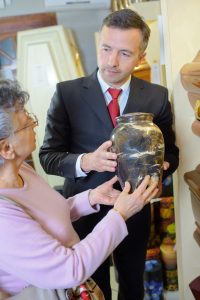
Going Home Cremation: Our Selection of Urns for Cremation.

Types of urns for cremation

At Going home cremation we offer a wide variety of cremation urns.

Not everyone will purchase an urn, but if you need an urn our prices are very affordable and our selection is quite vast. We also offer a basic urn at no cost when you arrange a cremation with us.

To see our specific urns, go to our cremation urn catalog on our website and please call Going home cremation at 941-320-1179 for pricing.

cremation urn florida

Types of Urns:

Cremation urns can range from solid marble urns to urns made out of cardboard for scattering at sea.

Scattering Urns:

Many families choose scattering urns in Florida because they do not want to put the ashes in a cemetery. Scattering urns can be made of cardboard and paper mâché so that they will disintegrate in the water.

We also have scattering urns that are made out of salt. The reason they make urns out of salt is so that it melts when it hits the water. Salt urns are not urns you want to have in storage for very long because they will disintegrate.

Wood Urns:

Many people choose wooden urns. Wooden urns come in many different colors and types of woods from Oak, Cherry, Pine and hardwoods. You can engrave wood or you can put plaques on wooden urns. A lot of people decide to use wooden urns and display them on the fireplace mantle or a bookcase.

Polystyrene Urns:

Another very popular urn is made out of man-made polystyrene. Those urns will go in the ground and will not disintegrate. A lot of times the man-made urns will resemble marble and can come in single and double urns are and are extremely durable.

Metal Urns:

Metal urns are a great long lasting durable option for urns. Metal urns tend to be some of the most ornate type of urns you can purchase as well.

Going Home Cremation’s most popular urns are found on page one and are our metal urns in the shape of a vase and have many different flowers, scenes, and designs.

Keepsake Urns:

Going home cremation also offers a large variety of keepsake urns and keepsake necklaces and jewelry. Many people want to put a tiny bit of the ashes in a necklace to wear. We have necklaces that are made of stainless steel that are very affordable at $89. We also have a large variety of sterling silver and solid gold necklace urns which can run into the hundreds of dollars.

Keepsake urns are a great option if multiple people in your family want ashes. You can have keepsake urns that match the larger main urn or each keepsake can be different than the other.

direct cremation urn

If you purchase an urn at Going Home Cremation you can take $100 off any of our urns in our catalog if you were also selecting to do your cremation services for your loved one with our company.

Please call Going Home Cremation for any questions you may have on any type of cremation urns.

Can You Have a Cremation Without a Service in Florida?

Cremation service florida

At Going Home Cremations there are common questions we get from families when they are arranging a cremation. One of the most common ones is if they have  to “have  a cremation without a service” or “a cremation without a funeral” or a “cremation without a ceremony”. We wanted to answer this common cremation question for families when unfortunately, the time comes and they need to finalize cremation arrangements for their loved one.

The answer: No, you do not have to have a service when you cremate your loved one.

In Florida, you can have a cremation without any type of service or ceremony. This type of cremation is called a direct cremation, and is different than they type of cremations you get at a funeral home.

Direct cremations are cremations where your loved one will be cremated in Florida and there will be no viewing or service associated with the cremation. This type of cremation, a direct cremation, is being coming more popular for families in Florida. The popularity is for a few reasons, but the main reason is that direct cremations are much lower in price compared to a cremation with a formalized funeral service. For example, a cremation with a service can easily be $4,000-$5,000 whereas a direct cremation will be closer to $1500-$2000. The cost difference is due to not having a service and also you do not need to embalm your loved one if there is no service or viewing.

Another benefit of direct cremations are they tend to occur faster than normal cremations with a service. You do not need to wait to have your loved one embalmed or wait for the service. Furthermore, your loved one can go direct to being cremated, which will help you receive your loved ones ashes in a much more timely manner.

Especially during the time of COVID, it can be even more difficult than normal to have a formalized viewing or service when arranging a cremation. The issue with social distancing is another reason why direct cremation is becoming so popular in Florida. Furthermore, as a family you can have a direct cremation of your loved one and then hold a service yourself once COVID is no longer a major concern or even hold a virtual service. Both of these options, where as a family, you do the service without funeral professionals, you can save considerable money and ensure your close friends and families safety.

Virtual Cremation Service 1

If you arrange a cremation at a funeral home, they tend to be very pushy about services. So please be aware, in Florida, you do not need to have a service or a funeral for a loved one if you do not want to. If a funeral home is pushing you to have a service, we would suggest to possibly seek another facility to help you have a direct cremation of your loved one.

At Going Home Cremations, we offer direct cremations in South West Florida.