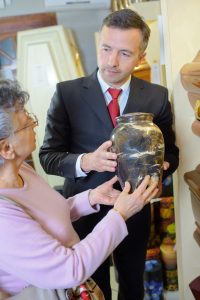
The Rules of Shipping and Flying with Cremated Remains and Ashes

cremation ashes shipping

Shipping and Flying with Cremated Ashes and Remains

It happens almost every day, the untimely death of a family member while out of state or even the country. Or a loved one dies in Florida while in retirement, but you live outside of Florida. What do you do when something like that happens and you want your loved one’s ashes sent some where different than where they passed? You are most likely going to have to fly or ship the cremated remains to their destination.  There are many rules and regulations surrounding shipping ashes nationally or flying with them domestically.


Shipping Cremated Remains:

Once your loved one has been cremated; you do have the option of shipping their ashes once the direct cremation is done. However, there are many rules and regulations surrounding shipping ashes. First, cremated remains are only allowed to be shipped via USPS. They must be shipped overnight via Priority Mail Express. You must have something called a label 139 to accompany the ashes that will be shipped. The priority mail express will provide tracking for the shipment. You can also ship ashes internationally via USPS Priority Mail Express International. However, you must ensure the country will accept cremated remains. Also Priority Mail Express International must be an option to ship cremated ashes to.

The packaging of shipping cremated ashes is very important with a few requirements. If you use your direct crematory to help you ship the ashes, they should be able to do it all for you. If not, check out this link to UPS shipping guidelines for cremated remains: https://about.usps.com/publications/pub139.pdf. At Going Home Cremation, we offer the service of shipping cremated ashes for our families. The USPS prices tend to vary between $100-$300 depending on where they cremated remains need to be shipped to.

flying with cremated ashes

Flying with Cremated Remains:

You are legally allowed to fly with cremated ashes as long as you follow some specific guidelines. In the US, most airlines will allow you to fly with cremated remains, but each carrier has a different policy and you must double check their policy. If you are bringing the cremated remains on as a carry on, you must ensure that the urn holding the remains can go through the X-Ray machine, and allow TSA to see the full contents. Stone urns, metal urns, ceramic urns and any other material that is not easily x-rayed will not be allowed. Plastic, cardboard, and most wood urns are okay for the X-ray machine and should be allowed through the TSA security check point. The TSA will not open any urns or examine cremated remains, even if granted permission, so ensure cremation ashes are packed properly prior to going through security.


In Florida, when you are flying with cremated remains, you need two documents: A burial transit permit and a certificate of cremation. The crematory you work with should be able to provide you with both items with ease. You can also put cremated ashes in your luggage, and we suggest that if you do so, attach a copy of the burial transit permit and certificate of cremation to the ashes in your luggage. If you are flying with cremated ashes as a carry on, you should bring both of these documents with you in case there are any questions. If you have any more questions, contact TSA and check out this link about their guidelines: https://www.tsa.gov/travel/security-screening/whatcanibring/items/cremated-remains.


Types Of Urns And Cremation Jewelry


At Going Home Cremations, we can help. We are able to help you ship or fly with you your loved one’s cremated ashes. Visit our website https://www.GoingHomeCremations.com or call 941-320-1179.

The Differences Between Direct Cremation and Cremation

The Differences Between Direct Cremation and Cremation

At Going Home Cremations, we know it can be very confusing to understand the differences between what a direct cremation is and what a cremation is. At the time your loved one passes in a hospital or hospice, there are so many options on what to do once your loved one passes. One of the first things you will realize is you have the option between a burial and a cremation. If you pick a cremation, you then need to figure out if you want a direct cremation or a cremation.

Cremation

The biggest different between a direct cremation and a cremation is that a cremation is MUCH MORE expensive. This is due to a normal funeral being involved with a cremation. With a cremation, the body is brought from the hospital or hospice and sent directly to a funeral home. The funeral home then performs normal funeral body preparations like embalming, dressing and body preparations for cremation viewings. This use to be the most popular way to handle a cremation, but due to costs that can be upwards of $7000 compared to $1000 for a direct cremation, it is falling out of favor.

direct cremations and cremations

The cost are so high due to families paying for a funeral director, casket, embalming, and then on top of that a cremation, when all is said and done.  Also, the environmental concerns of embalming have also taken cremation out of favor compared to direct cremation. With a normal cremation, there is the option of a viewing for a family, like what would be expected if a burial was chosen

In a cremation, a family can choose to have a funeral like what would occur in a burial or have a viewing. This will change the costs for a cremation as well. In a viewing, there is less body preparation compared to a full funeral. With a viewing, it is possible to not have the body embalmed. Whereas, a normal funeral with a cremation, there is an embalming.

Direct Cremation

In a direct cremation, the body is taken from where the person died, directly to the crematory. This is the biggest difference between the two, because in a direct cremation the body is not prepared for viewing. This can save families thousands of dollars as well as make the cremation process faster for families in case they need death certificates for estate matters.

Once the body is at the crematory, the cremation process is very fast, with the actual cremation only taking between one to three hours. Once the body is cremated, the rest of the direct cremation process is very fast. One additional advantage of the direct cremation is that once the cremation is completed, the family can still have a service but save considerable amount of time and not be on a time crunch for scheduling a service.

cremations and urns

On average a direct cremation in Florida can start around $1000, which is much less than what a cremation in Florida would cost. Additionally, during the time of COVID, it does not make much sense to have a cremation or burial due to social distancing rules. It is important to note, no cremation will occur less than about 5-7 business days. This is due to a medical examiner looking over what the doctors notes are about the cause of death.

At Going Home Cremations, we can help you arrange a direct cremation for your loved one in Florida.


Scatterings Ashes in Florida: Rules and Where to Scatter

At Going Home Cremations, we offering cremation for your loved ones. Once a cremation is finished you have the option of scattering ashes. There are a few regulations around scattering cremation ashes in Florida.

Scatterings Ashes in Florida rules

In Florida, there are no state laws or restrictions on where you can keep or scatter ashes. If you decide to scatter ashes of a loved one, there are many options available in Florida. The cremation process makes it so a person are harmless, and there are no health risks related to scattering ashes. Even when it comes to a COVID related death, once a person has been cremated, there are no issues with scattering cremated ashes.

Even though Florida doesn’t have laws regarding scattering ashes, certain cities and counties within the state may have their own rules. Also, state parks and national parks have their own rules and there are federal guidelines to follow related to scattering ashes at sea. It is recommended to contact the local public authority before scattering ashes to make sure they do not have special regulations or procedures.

scattering ashes in FL

Options to scatter ashes in Florida:

As Sea: Scattering ashes at sea is a very popular way to scatter ashes in Florida. At Going Home Cremation, we can guide you in the rules and regulations of scattering ashes in the sea. We also offer additional packages for scattering ashes in the sea in Florida. The EPA requires that it be notified of a scattering at sea within 30 days of it occurring. You can call the EPA or go to their website and fill out a simple form before scattering. Federal law requires that ashes are to be scattered at least 3 nautical miles from the shore and it is very important to follow these rules. If caught scattering ashes closer to shore than 3 nautical miles, there can be fines associated with the scattering. At Going Home Cremations, we can offer services to scatter ashes 3 nautical miles off the shore.

When scattering ashes at sea, you can use special biodegradable urns that are ecofriendly and make the scattering at sea a memorable experience. We offer these type of urns, just please contact us. https://goinghomecremations.com/urns/

where to scatter ashes Florida

Private Property: You are allowed in Florida to scatter ashes on your personal property. You are also allowed to ask permission to scatter ashes on someone else’s private property. It is wise to get written consent if you are scattering ashes on someone else’s private land in Florida

Public Land: There are many beautiful public lands available for scattering ashes in Florida. It is important to contact the regulating authorities of the public land you want to scatter the cremated remains on before scattering. There are special regulations for scattering as sea.

Federal Land: For scattering ashes on federal land, it can vary from park to park. Some parks will allow it, some will not. It is common practice to have specific areas allowed for scattering ashes and many parks require a permit before scattering. We suggest reaching out to the governing federal land before scattering the ashes in Florida.

Cemeteries: Some cemeteries have areas where scattering ashes is allowed. This service will cost a fee and varies from cemetery to cemetery.

Air: There are no rules or regulations prohibiting scattering ashes in Florida by air. But make sure to only scatter the ashes and not the urn or box holding the ashes.

Hospice Care and Cremation

Cremation and Hospice

Having a loved one in hospice care during the end of their life is an extremely stressful time for families. On top of trying to spend as much time with their loved ones, family members need to start planning on what will happen once their loved one passes. Cremation has become to most common way families proceed one their loved one has passed. We will now describe what families should do once their loved one passes and they have decided on cremation.

cremation and hospice
  1. Call the hospice office: When your loved one passes, call the hospice office. You may turn off machines, such as oxygen machines or monitors. Some family members prefer to sit with the loved one, while others find this too difficult and will want to leave the room. Do whatever is right for you. When your hospice nurse arrives, he or she will help with the immediate process of pronouncing death and beginning the end-of-life logistics.
  2. Call friends and family: Notify friends and family of the passing. Make sure to prioritize who is told first.
  3. Find a cremation provider: When looking for a cremation facility, make sure to check google ratings, also see if your hospice facility recommends any facilities. At Going Home Cremations, we have over 25 five-star reviews and are recommended by hospice facilities throughout all of Florida. Make sure to ask for pricing, and cremation options. For example, ask about scattering ashes, or make a eco friendly urn. Also make sure to ask for their urn catalog to see if there are any urns your family prefers.
  4. Contact the cremation facility you pick: Make sure to let the cremation facility aware of the death and that you have chosen them for the cremation. Most good facilities will be able to pick up your loved one in a few hours. At Going Home Cremation, we have multiple cremation facilities and are able to do very quick professional pick ups.
  5. Collect any jewelry or belongings from your loved one before they are picked up for a cremation.
  6. Consider having a thumb print taken or any other memorial items decided on within a day of pickup.
  7. Fill out the cremation authorization form: Make sure to fill out these forms quickly as nothing will begin until these forms are filled out.
  8. Have hospice pick up any medical equipment: Make sure to follow up with Hospice if you had any medical equipment.
  9. Consider asking hospice about any grief counseling if needed.

What is a Celebration of Life?

A celebration of life is an event focused on sharing stories of the deceased and commemorating the joys he or she brought into the lives of others. As the name implies, it’s meant to celebrate the life of your loved one, opposed to grieving the loss. While there are often tears, these events tend to be creative, and focus on happiness and laughter. A celebration of life can take place immediately, or weeks or months after death and the body is typically not present.

The tone is peaceful rather than mournful, celebratory instead of sombre. Wearing black is commonly discouraged. You’re more likely to hear Monty Python’s Always Look On The Bright Side of Life – according to a 2014 survey,

A survey of 2,000 people suggested that 54% wanted their funeral to be a “celebration of life”. Some 48% said they wanted it to incorporate their favourite “hobby, colour, football team or music”..

By looking back rather than forward, and focusing on happy memories rather than the immediate sense of loss,

Celebration of Life Service Planning & Outline

The most memorable events are highly meaningful, and capture the unique life and personality of the deceased. The following questions can help define the essence of your loved one.

What were the individual’s religious or spiritual beliefs?
What were their distinctive qualities?
What were they passionate about?
What do people think of when they think of the individual?

1. Timing
A memorial service or celebration of life can be held any time after death. You may choose to make arrangements immediately, though it is also acceptable to wait several weeks or even months.

It can be difficult to make decisions immediately after a major loss; planning the event several months into the future allows you to enlist help from others, or even hire a professional planner. Waiting also allows people to make travel arrangements, making it easier for friends and family to attend. You also will find more options available (location, venue, other services) if you’re not dependent on having the event in the next 7 days.


2. Type of Service
Decide the type of service and where you would like to hold it.

On the Beach , On a Boat to Scatter, VFW hall, Church Hall, In Your Home, At a Local Park, There are many places you can be creative with.

Cremation and memorial service.

3. People to Invite
After you’ve determined the type of service and timing of the event, it’s a good idea to make a list of everyone you’d like to invite. Immediate family is a good place to start, then consider more distant relatives. Next make a list of friends, and not just current friends—include friends from different chapters of the person’s life: friends from childhood, school, different jobs, and different locations. Don’t forget to include your support network as well.

If people will be traveling in for the service, consider the accommodations they’ll need. Will they be able to stay with you or other family? Are local hotels or accommodations by owners available? This may impact the timing you choose.


4. Location
Things to consider when choosing a location are:

Will any portion be held at a religious location?
How large of a venue is needed, based on the number of people expected.
Does it have adequate parking?
Is it handicap accessible?
Can it accommodate all parts of the event—service, socializing, etc.
When is it available?

5. Celebrant or Host
Who will lead the service/event? If the individual was religious or spiritual, the officiant or celebrant likely has a standard service that can be personalized. If a host will be leading the event, you can still choose meaningful customized elements, such as readings and music.


6. Readings / Readers
You may want to choose religious prayers, readings, poems, quotes, personal writings, or song lyrics that were significant to your loved one. Next, choose the reader or readers who will present them.

Also, it can be touching to have people share personal anecdotes or memories about the individual.


7. Eulogist / Speakers
If you choose to have a eulogy, choose who will write and deliver it. Rarely are eulogists experienced, so you may share these guidelines for preparing and delivering a eulogy:

Be Brief. Be sure to check with the clergy or service director about timing. If none is provided five to ten minutes is a good guideline.
Be Focused. You can’t distill a lifetime into five to ten minutes, so don’t try. Start with a brief history of the deceased’s life, including significant relationships and professional history; interests; and achievements.
Be Personal. Focus on one or two notable qualities, passions, or characteristics of the person, and share a personal story or favorite memory related to it. A saying, quote, song, or religious text that was significant to the individual is a good way to close.
Be Positive. Now is the time to affirm the positive aspects of the individual’s life.
Write it Down. A written eulogy is another way for family and friends to hold the memory of a loved one. While practice is recommended, committing the eulogy to memory is not required. During this highly emotionally time, it may be nice to have a written copy to reference in the event thoughts become scattered.
For additional details on how to write a eulogy, see the Hazeltine blog post, Writing a Eulogy for a Celebration of Life of Memorial Service.


8. Music
Select songs, hymns, and other pieces of music that were enjoyed by the deceased, or that hold special significance. Determine who will provide the music? Professional musicians, DJs, family/friends, or a playlist on an audio system are all options. You may choose a combination of live music for parts of the program, followed by a playlist of significant songs as background music as guests socialize.


9. Food & Beverage
Options for food and beverage include DIY (with help from friends and family), hiring a caterer, or full-service food and beverage provided by the venue you select.

You may choose to provide foods that were particularly liked by the deceased. Another option is a particular ethnic cuisine. Depending on the time of day, you may choose to provide light snacks, like appetizers and desserts, or a full meal. Be advised that many guests may have dietary restrictions, so inquire with your caterer/venue about options.

Many events, especially a celebration of life, choose to include a bar, which adds to the celebratory feel of the service.


10. Photographer / Videographer
You may choose to capture the event with photos or video, to keep the memories for years to come. This job can be undertaken by a family member or friend, or you can hire a professional.

In some cases, some families choose to webcast the event, which allows people who wouldn’t otherwise be able to attend to participate in the service.


11. Flowers & Memorials
Traditionally, people send sympathy flowers to express their condolences. However, it is commonplace for families to request memorial donation instead of flowers. In the obituary, social media and event invitations, you can indicate whether flowers or memorials are preferred, or whether both are acceptable.

The typical way to indicate memorials are preferred over flowers is “in lieu of flowers…” but there are other ways to suggest survivors show their support. For example, “those wishing to make a memorial donation, may contribute to [specific charity name] or the charity of their choosing.”


12. Personalizing the Event
Personalizing the event can range from simple to elaborate, and can be done by a few people or by everyone attending.

Some traditional ways to remember a loved one are with a memory board of photos, a display of photo albums, a video or slide show, or through displaying personal memorabilia.

To involve guests, you may ask that people bring a few words about the departed to share or post for others to see. It could be a favorite memory, a sentence or two on how they knew each other; or ask them to send a photo or song to be included in the slideshow or playlist.

Scattering Ashes

Scattering Ashes at Sea Guide: 5 Important Things You Need To Know

Scattering ashes at sea is a fitting tribute and farewell to a loved one.

Most of us have seen heard of pouring ashes into the water from a boat.

But you might be unsure about how to organise something like this, or whether you need permission.

Our experts have put together this guide to help you through the process. We will explain some of the different ceremonies and services you might consider.

After we’ll cover rules and regulations, prayers, poems, and various methods and ideas for scattering the ashes.

Scattering Ashes at Sea Ceremony
There are other factors to consider in addition to the actual scattering. For instance, will you have a memorial ceremony?

In most cases, there is no particular rules for the ceremony. It is arranged and performed to the wishes of the deceased or their family members.

Ashes Ceremony on a Boat

You may prefer a cremation ceremony to be performed according to the religious beliefs of the deceased.

For instance, Christian scatterings are often similar to a traditional one on land. They sometimes include a minister who oversees the event with eulogies, prayers, or a scripture.

Other Ceremony Alternatives

Then again, you could have the ceremony with only family and friends.

Otherwise, you might consider a ceremony that is planned around the heritage of the deceased.

Or if they were fun loving, it could be a celebration of their love for life with music and even dancing.

We will look at some of the possibilities in more detail later.

Choosing the right urn

Floating biodegradable urn

Many people simply pour the ashes from an urn into the water. There is no specific type of urn required for that.

Some simply use the temporary container, which the funeral home or crematorium provided.

However when scattering at sea, it’s wise to ensure that you determine the direction of the wind, otherwise the consequences can be messy.

Biodegradable Urns for Water
If you wish to release the whole urn into the water, a biodegradable urn is your best choice.

These are created to break down quickly in water are now available in all shapes and designs.

These beautiful urns come in quite a few designs including flowers, seashells, turtles, and more.

Water Urns Guide
If you’re interested in scattering, we recommend you read our biodegradable urns for water guide which provides some valuable tips before buying.

Types of Services Available
The options are endless. Below we will look at a few ideas and suggestions. Hopefully, one will be right for you or possibly trigger an idea of your own.

Unattended Services

Captain Spreading Ashes

In many situations, although scattering at sea is desired, the family is unable to attend. This may be due to illness or perhaps the place where the deceased desired is a great distance away.

For those circumstances, after the cremation has taken place, you would send the ashes to the company that will be performing the service.

The captain of the ship will take your loved one’s ashes along on the voyage and perform a distinguished scattering for you.

In most cases, they welcome any requests you may have such as a particular prayer to say, a poem to recite, or music to play.

Attended Services
Scattering Ashes at Sea
Scattering Ceremony At Night

You have the choice to arrange the service yourself or hire a sea burial company to do it for you.

Some companies offer specific services such as a mariner’s farewell ceremony. As the ashes are scattered, the mariner’s farewell verse is read as the ship’s bell tolls eight times.

The mourners may each toss a flower into the water as a final farewell.

Tidewell Hospice Cremation and Funeral info.

cremation urns FL

FINAL ARRANGEMENTS
People often do not think about final arrangements until after a person has died. Suddenly, decisions need to be made quickly during a stressful time. It is possible to plan ahead by asking your loved one about his or her final wishes. Burial and cemetery costs, cremation and/or funeral services can be paid for in advance. Or perhaps your loved one wants to donate his or her body for scientific research. Whatever the wishes may be, talking about them and planning for them can relieve stress during an emotional time.

Funeral Services

There are many things to consider when planning a viewing and graveside service: the choice of casket and marker, arrangements with the funeral home, transporting the remains if the burial is in out of state, the paperwork involved, the list goes on. The Funeral Rule, enforced by the Federal Trade Commission, requires funeral directors to provide an itemized price list of their services and all products they offer.

Burial

Burial involves decisions regarding viewing, casket, cemetery plot, marker and perpetual care of site. Memorial services can be held without a viewing at your home, church or any other location.

Cremation

Cremation provides cremains that can be buried, placed in an urn at a cemetery facility distributed as your loved one or the family desires.

Burial at Sea

Active military personnel and veterans can have their bodies or cremains buried at sea by the U.S. Navy through the mortuary program. Private Citizens can arrange for burial at sea through a funeral home or can arrange it themselves, following guidelines that can be found on The Environmental Protection Agency website.

cremation service low cost florida

CHOOSING A FUNERAL HOME
The following questions can help when selecting the funeral home and services of your loved one. If possible, it is recommended that you consider more than one facility, visit with the funeral directors and tour the facilities. Meeting the funeral staff and feeling comfortable with them can help you and your family to create a meaningful personalized service. It is also recommended to openly discuss your budget with the funeral director so he or she can assist in selecting service options that will meet your loved ones wishes. Your Tidewell social worker is available to help you identify your needs and prepare for this decision.

Does the funeral home physical building meet your standards? Is it clean? Have enough space?
Does it employ licensed funeral directors?
Is the funeral home established in the community?
Have any of the licensees been disciplined by the state regulatory board?
Is there a website you can visit for more information?
Is the funeral director willing to come to you to make arrangements?
Is the funeral home affiliated with a local cemetery that might offer special savings?
Are pre-arrangements transferable if you should relocate out of town?
Are 100 percent of the ashes recoverable?
Are services available regardless of financial ability?
Is there a service guarantee?
Are personalized services provided, such as DNA (lock of hair), video tributes, online memorials? What are they?
Are aftercare services included and what are they?
Does the funeral home own and operate a crematory? If not, who does the funeral home use and where is it located?
Can you meet the crematory personnel and/or witness different aspects of cremation?
Does the funeral director assist the family with arranging religious services and cemetery arrangements?
Is there a mausoleum?
Are there property selections for cremation?
Do they have a veterans’ section?
Additional questions?
THE MEMORIAL/FUNERAL SERVICE: A CELEBRATION OF LIFE
A memorial service provides a sense of completion for the survivors. Despite the grief and fatigue, spending time with friends and family is a step in the healing process. Sacred texts, poetry and music are commonly used in planning a memorial service. Reflect on your loved one’s life. Think about his or her values, special events, life’s work, hobbies, travels and contributions. Honoring your loved one will help you understand and cope with your grief.

In most cases, planning a memorial service falls to the immediate survivors. It is also common for your loved one to participate in this planning, if he or she is able. If the patient has reached an understanding and acceptance about the terminal illness, planning a memorial service jointly can be very supportive for everyone.

Tidewell staff members do not make recommendations as to funeral homes or cremation services to use, but they do have a list of services in your area.

cremation in FL

Things to Consider

Music: More than anything else, music affects your feelings and the atmosphere in which you remember your loved one. Select hymns, songs or other music that are your loved one’s favorites and bring comfort or celebrate their life.

Readings: Reflective passages of sacred text, poems and short stories are all helpful in remembering the person being celebrated. Some faith traditions may require that scripture be read, but many faiths are flexible and will include other types of readings as well.

Symbols of life: Share pictures, items from your loved one’s hobbies, avocations, important moments in life and symbols of accomplishments or milestones achieved.

Homily, eulogy, meditation: Integrate the music, readings and symbols with your loved one’s life and indicate ways he or she inspired others.

Tidewell Hospice chaplains are available to assist you in planning a memorial service for your loved one, and may be available to conduct the funeral or memorial service.

PLANNING THE SERVICE
Speak with the Tidewell social worker or chaplain if you need assistance with planning the funeral or memorial service. They are generally able to answer most of your questions.

If you have made funeral arrangements or wish to use the services of a specific funeral director, record that information here:

Funeral home:

Funeral director:

Address:

Telephone:

Cemetery:

Plot:

Specific instructions:

If a family member is flying into town to visit a loved one and/or plans to attend the funeral service, he or she can notify the airline of the reason for the flight when making reservations. Most airlines will issue the ticket at a reduced rate.

Memorial Form

Supporting families through the many stages of dealing with on advanced illness is a vital part of Tidewell’s mission. One of the ways we are able to do this is to offer assistance in planning for the time ahead.

It is important to have accurate memorial information available for newspapers and the funeral director, and most of it can be gathered in advance. Tidewell staff members are willing to help you in any way possible.

Patient Information

Name:

Address:

City/State:

Birthplace:

Came to area from/when:

Church/religious affiliation:

Career/type of employment:

Number of years:

Family members:

Organizations/offices:

Major achievements/honors:

Military service/recognition:

Memorial donations:

Other Information:

Cremation Service Steps.

Arrangements

We walk you through our Online arrangements. You can review all of the available options from the comfort and privacy of your own home and call us to make payment. Everything can be easily completed in fifteen minutes or less. We will walk you through it step by step over the phone.

Documentation

We’ll email you the required paperwork to easily authorize cremation online. Upon filing the death certificate we’ll secure a state cremation permit and schedule the cremation as soon as possible.

Transfer

At the time of need, our professional staff will respond as soon as possible to the place of passing to bring your loved one into our care. We are usually able to arrive to the location within one or two hours inside our local service area.

Return

When the cremation is complete we’ll arrange for the return or disposition of the cremated remains. We offer shipping via USPS Priority Mail Express, hand delivery within our local service area, or disposition by common scattering at sea.

Is it legal to scatter ashes anywhere?

Scattering Ashes

Cremations have become increasingly popular in the United States, with more and more families choosing to scatter the ashes of their loved ones. However, choosing the right location is important as a lasting memory in the future. Very often people choose to scatter ashes in a location that was special to their loved one, but over time such places may change or even be built upon, changing the location and with it the memory.

Will the Place You Choose Always Be There?

Parks and Empty Lands

Today’s parks and lands, however special to your loved one, may not be around in the long term. That beautiful quiet location could be redeveloped into housing in a few years, or turned into a sports field. This means that you may not always have access to the location or the location no longer holds the same meaning.

Your Backyard

Remember you may not always be living in the same home, and when you move you loose access to any memorial you may have created in your own garden.

Why not keep the ashes and not scatter them?

Keeping the ashes in an urn at home can be a good idea in some cases, however, if you keep ashes at home other family members may feel excluded or regret not having a special place to visit. There are also issues of safety and security to consider.

Do You Need a Permit to Scatter Ashes in Florida.

In Florida, it is recommended that you obtain approval from the relevant controlling authority before scattering ashes in a public or private space. If you are thinking about scattering ashes, it is always safest to research the area first, and speak to your associate at Going Home Cremations..

A Permanent Memorial in a Memorial Park

A cremation memorial in a memorial park is an alternative to scattering ashes well worth considering. You also have the option to scatter ashes at many memorial parks, offering the best of both worlds. You can even choose to divide the ashes up and scatter some at your place of choosing as well as placing some in a more permanent memorial at a cemetery or memorial park.

Creating a memorial in a special place helps keep the memory alive beyond the funeral service. Memorials give families and friends a tangible source of comfort, and are an everlasting place to come and remember your loved one. In a memorial park, ashes can be placed without fear of the location changing.

Scattering in the Gulf Of Mexico.https://goinghomecremations.com/affordable-scattering-ashes-at-sea/

Going Home Cremations can help you arrange scattering in the Beautiful Gulf of Mexico. We can take your loved one three miles out and scatter the ashes or you and your family and friends can use one of our Boats to have a private Scattering Service. Prices range from $395.00 to $1995 for scattering of ashes.

The Cremation Process

The Average Cost of a Cremation in Florida

The Cremation Process

During the Cremation Process, the casket or container is placed in the cremation chamber, where the temperature is raised to approximately 1400 degrees to 1800 degrees Fahrenheit. After approximately 2 to 2 1/2 hours, all organic matter is consumed by heat or evaporation. The remaining bone fragments are known as cremated remains. The cremated remains are then carefully removed from the cremation chamber. Any metal is removed with a magnet and later disposed of in an approved manner. The cremated remains are then processed into fine particles and are placed in a temporary container provided by the crematory or placed in an urn purchased by the family. The entire process takes approximately three hours. Throughout the cremation process, a carefully controlled labeling system ensures correct identification. State law provides that only one body may be cremated at a time.

A complete cremation is a two-step process. Firstly, the actual exposure of the deceased to several hours of intense heat and flame; after which the remains are mostly ash except for certain bone fragments, then the entire remaining ash and fragment volume is gathered and run through a processor, creating a uniform powder-like texture.

The Cremains are then placed in a temporary container or Urn and given to the family.

Cremains weigh about 5-7 lbs. If you want a good idea and generalization as to the size and weight of the cremains, you can compare them to a 5lb. bag of sugar. When placed in the Urn the ashes are surprisingly heavy.